
F&B Business Management
Restaurant Supply Chain Management Best Practices
Managing your supply chain well means keeping track of everything—from ordering to storage. Here’s how you can do it efficiently-
April 21, 2025
Procurement, inventory, food costing, and the business of F&B — written for operators.
Managing your supply chain well means keeping track of everything—from ordering to storage. Here’s how you can do it efficiently-

A study by the Association of Certified Fraud Examiners found that food businesses typically lose 5% of their money to fraud each year.
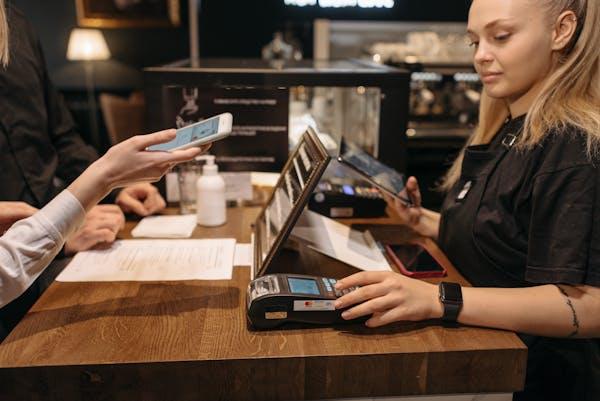
advanced purchase order management system, you can streamline your operations, save time, and ensure accuracy in your orders

Food Market Hub’s Stock Transfer report is all you need to keep track of all the transfers you have made. It will tell you exactly which outlet you have transferred your ingredients from

Accurate stock counts are crucial for several reasons. First, they help you reduce waste. According to a report by the Food and Agriculture Organization (FAO),

The Stock Count Report is a feature within Food Market Hub’s restaurant stock management software. It allows you to check the quantity of your available stock

The report shows you the on-hand quantity of every product in your inventory. This means you can see how much of each item you have left before it runs out.
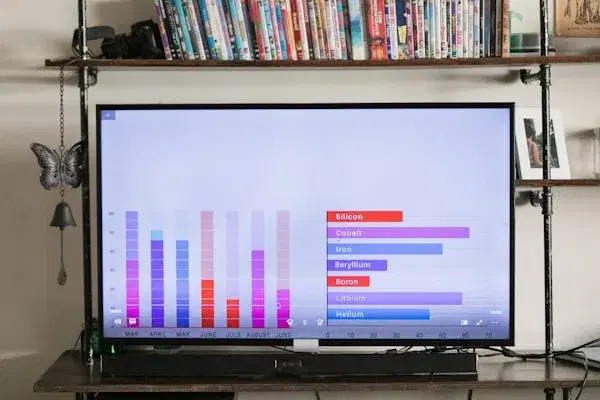
One of the best features of the Stock Balance Report is the ability to set minimum PAR Levels and maximum PAR Levels for your products.
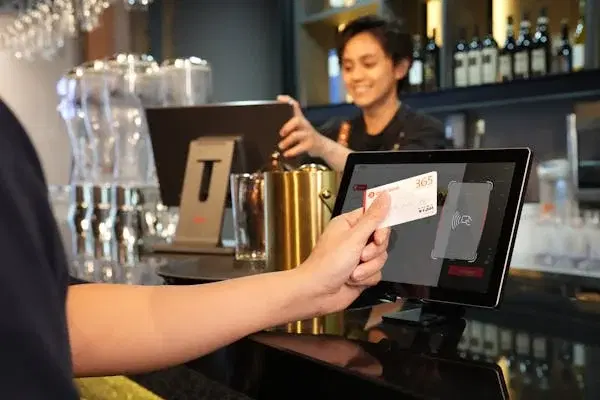
Most cloud-based systems operate on a subscription model, where you pay a monthly or yearly fee. This makes it much more affordable.

Cloud-based ERP systems come with user-friendly interfaces and offer customer support to help you get started.

Managing your restaurant stock can feel overwhelming, but it doesn’t have to be. With the right tools, you can streamline your inventory, reduce waste, and save money.
The procurement process flow is the roadmap that guides you from identifying what you need to finally receive and paying for those items.