

FMH Guide & News
Food Cost Percentage (Comprehensive Guide)
Food cost percentage is the amount of money you spend on ingredients compared to the money you earn from selling the food.
May 16, 2025
Procurement, inventory, food costing, and the business of F&B — written for operators.
Food cost percentage is the amount of money you spend on ingredients compared to the money you earn from selling the food.

We will discuss about 25 terms related to procurement that every restaurant owner must know. It includes- Procurement, vendor management, supply chain

Restaurant inventory management is knowing exactly what food, drinks, and supplies you have at all times. It's tracking every tomato, every bottle of soda.

Inventory management means keeping track of all the food, drinks, and supplies moving through your restaurants. It's knowing what you have in stock right now
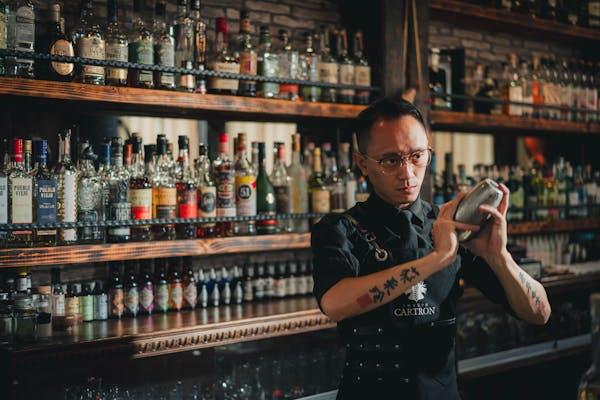
SOP stands for Standard Operating Procedure. Think of it as an instruction manual for procurement in your restaurant.

You'll learn how to create a procurement strategy that saves money, reduces waste, and keeps your kitchen running smoothly. We'll cover everything from building relationships with suppliers to using technology.

Your restaurant supply chain is more than just a process of moving goods. It’s a mix of relationships, planning, systems, and habits. It connects your kitchen with suppliers.
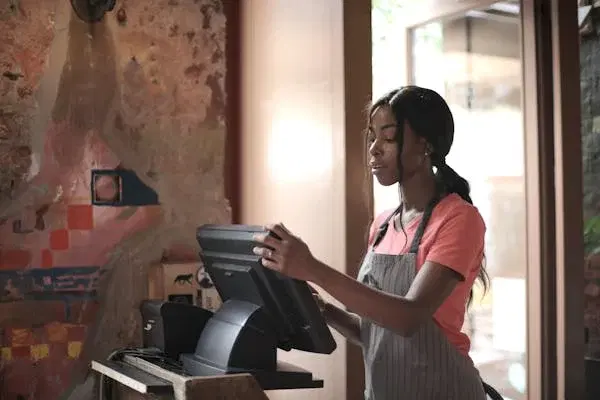
When your POS and supplier management systems work together, every sale automatically updates your inventory.

According to the National Restaurant Association, nearly 60% of restaurants struggle with supply chain issues. A good supplier management system reduces these problems.

Supplier Price Comparison helps you save money, control your budget, and make smarter buying decisions.
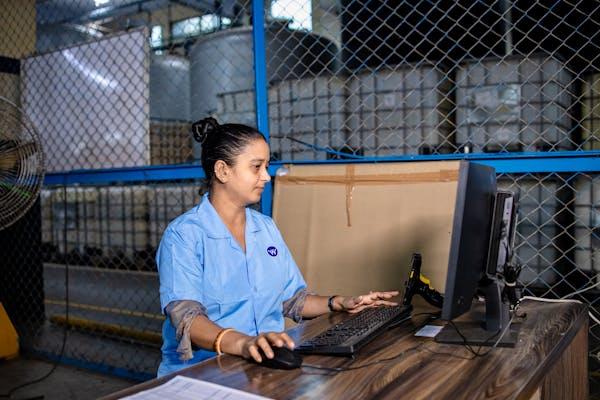
A supplier management system can help you keep track of everything, but it also has some downsides. The pros outweigh the cons.

Supplier management software keeps everything organized in one place. This means less time spent on paperwork and more time focusing on preparing orders.