Why is Price Comparison Important in your Restaurant
Supplier Price Comparison helps you save money, control your budget, and make smarter buying decisions.

If you want to keep your costs low and your profits high, you need to pay attention to the prices your suppliers charge. Many people stick with the same suppliers for years without checking if they’re getting the best deal. But small differences in price add up over time. Comparing supplier prices helps you save money, control your budget, and make smarter buying decisions.

The Importance of Checking Supplier Prices
You might think that the price you pay for ingredients and supplies doesn’t change much, but that’s not always true. Prices can go up and down because of seasonality, demand, or even fuel costs. If you don’t keep track, you could end up paying more than you should.
A study by the National Restaurant Association found that food costs make up about 28-35% of total expenses for most places. That means even a small price difference can have a big impact on your overall costs. When you compare supplier prices regularly, you can spot trends, negotiate better deals, and switch suppliers if needed.
The Problem with Manual Price Comparison
Checking prices manually takes a lot of time. You have to call different suppliers, ask for quotes, write them down, and then compare them. If you order many different items, this process becomes even harder. You might forget past prices or miss small increases that slowly eat into your budget.
Another issue is that prices change often. What was cheap last month might not be cheap this month. Without a system to track these changes, you’re making decisions based on guesswork rather than real data.
How Food Market Hub Makes Price Comparison Easy
Food Market Hub helps you compare supplier prices without the hassle. The Purchase Price History Report shows you all the past prices you’ve paid for each item. This means you can see if a supplier’s prices are going up over time or if another supplier offers a better deal.
With this report, you don’t have to rely on memory or scribbled notes. The data is organized and easy to understand. You can quickly check which supplier gives you the best price for each ingredient. This helps you make fast, smart decisions when ordering.
The system also helps you track price trends. If you notice that the cost of chicken has been rising with one supplier but staying steady with another, you can adjust your orders accordingly. Over time, these small savings add up and help you keep more money in your pocket.

Better Supplier Management with Less Effort
Managing multiple suppliers can be stressful, especially when you’re busy with daily operations. Food Market Hub acts as a supplier management system that keeps all your supplier information in one place. You don’t have to dig through old invoices or emails to find past prices. Everything is stored and updated automatically.
When you use supplier management software, you also reduce the risk of human error. No more misplacing quotes or forgetting to check the latest prices. The system does the hard work for you so you can focus on other important tasks.
Frequently Asked Questions
1.How often should I compare supplier prices?
You should check prices regularly, especially for high-cost items. Monthly comparisons help you catch any sudden price changes.
2.Can I negotiate better prices with suppliers using this data?
Yes. When you have a record of past prices, you can show suppliers how their costs compare to others. This gives you more power in negotiations.
3.What if I have multiple locations? Can I track prices for all of them?
Food Market Hub lets you manage suppliers and prices across different locations in one system, making it easier to compare and control costs.
4.Does this system work for all types of suppliers?
Yes. Whether you buy meat, vegetables, or dry goods, you can track and compare prices from any supplier.
5.Will this save me money in the long run?
Absolutely. By spotting price trends and choosing the best suppliers, you cut unnecessary costs and improve your profit margins over time.

Comparing supplier prices is one of the easiest ways to reduce expenses without sacrificing quality. Doing it manually is time-consuming and unreliable, but with the right tools, you can make better decisions in minutes. Food Market Hub’s Purchase Price History Report gives you the data you need to stay in control of your spending. Start tracking your supplier prices today and see the difference it makes.
Keep reading

How to Never Run Out of Inventory During Deepavali Festive Rush
Deepavali is almost here, and you know what that means: packed tables, larger orders, and customers expecting something special on your menu. This is the time when people in Malaysia celebrate with food, lights, and j…
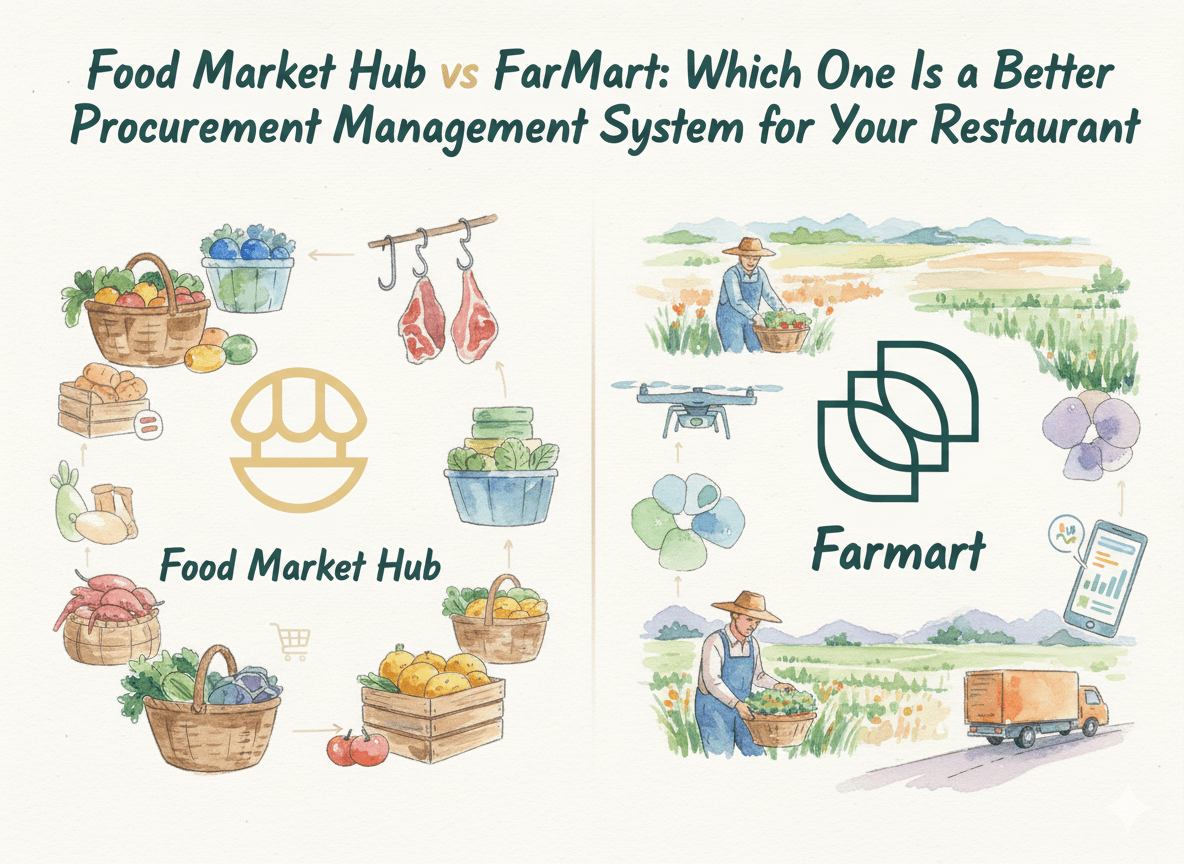
Food Market Hub vs FarMart: Which One Is a Better Procurement Management System for Your Restaurant
Why Food Market Hub is stronger: It turns procurement into a repeatable, digital workflow. This saves you hours every week and reduces order mistakes.
Tinvio vs Food Market Hub: Which Is Better for Your Kitchen?
To manage your restaurant supply chain you need dedicated softwares. But which one is better? Tinvio or Food Market Hub. Read more to find out.
Ready to run every outlet like one kitchen?
See how Food Market Hub connects your central kitchen to every outlet. Book a free, no-pressure demo with our team.