How to Negotiate Better Prices with Your Suppliers Using a Supplier Management Software?
Negotiation isn’t about demanding discounts—it’s about having a fair discussion based on facts.

Every time you buy ingredients, packaging, or equipment for your business, you have an opportunity to save money. But without the right tools, you might miss these chances. Supplier management software gives you the power to track costs, compare prices, and negotiate better deals. Let’s explore how this works and why it matters for your business.

Why Negotiating with Suppliers is Important
Money saved on supplies is money you can use elsewhere—whether it’s improving your menu, upgrading equipment, or increasing profits. Many businesses pay more than they should simply because they don’t have the right information. When you know exactly what you’ve been paying and how prices change over time, you can ask suppliers for fairer rates.
How Supplier Management Software Makes Negotiation Easier
Keeping track of supplier prices manually is tough. You might remember some numbers, but without records, it’s hard to prove anything. Supplier management software solves this problem. It logs every purchase, tracks price changes, and helps you compare different suppliers.
When you have this data, you can see trends. Maybe one supplier has been slowly increasing prices without reason. Maybe another offers better quality at the same cost. With clear reports, you can approach suppliers with confidence and ask for better pricing.
The Right Way to Do Price Negotiation
Negotiation isn’t about demanding discounts—it’s about having a fair discussion based on facts. Here’s how supplier management software helps:
Know Your Numbers Before Talking to Suppliers
Check the software reports before any negotiation. See what you’ve been paying and compare it to market rates. If prices have gone up but market costs haven’t, you have a strong case to ask for a reduction.
Spot Unnecessary Price Increases
If a supplier keeps raising costs without explanation, the software will show this trend. You can then ask why prices are going up and request a fair adjustment.

Ask for Bulk Purchase Discounts
If you order larger quantities, suppliers may offer lower prices. The software helps track your order volumes so you know when to request bulk discounts.
Compare Different Suppliers
If one supplier charges more than others for the same product, you can use this information to negotiate. If they won’t adjust, you can switch to a better option.
Without software, you’re negotiating blindly. With it, you have proof to back up your requests.
How Price Negotiation in Procurement Leads to Long-Term Savings
Procurement isn’t just about buying what you need today—it’s about setting up deals that help you save over time. Supplier management software helps in several ways:
Lock in Better Rates with Long-Term Agreements
When you have data on past purchases, you can negotiate contracts that keep prices stable for months or even years. This prevents unexpected price jumps.
Avoid Surprise Cost Increases
Suppliers are less likely to raise prices unfairly if they know you track every change. The software alerts you to any unusual increases so you can address them quickly.
Build Stronger Relationships with Reliable Suppliers
When suppliers see you track everything carefully, they respect your business more. This can lead to better service, priority treatment, and even exclusive deals.
Common Mistakes to Avoid in Supplier Price Negotiation
Even with software, some businesses make mistakes that cost them money. Here’s what to watch out for:
Not Checking Prices Regularly
If you only review costs once a year, you might miss chances to save. Regular checks help you spot trends early.
Focusing Only on Price, Not Quality
The cheapest option isn’t always the best. Make sure you balance cost with quality to avoid problems later.
Not Tracking Supplier Performance
A supplier might offer low prices but deliver late or provide poor-quality goods. The software helps track reliability so you can make smarter choices.
How to Start Using Supplier Management Software for Better Deals
If you’re ready to take control of your supplier costs, here’s how to begin:
Choose the Right Software
Look for a system that tracks purchases, compares suppliers, and generates easy-to-read reports.
Enter All Your Purchase Data
Start by logging every order—ingredients, packaging, equipment, and anything else you buy regularly.
Review Reports Monthly
Check price trends, supplier performance, and market comparisons. Use this data to plan negotiations.
Talk to Suppliers with Confidence
When you have facts, suppliers take your requests seriously. Show them the numbers and ask for fair pricing.
You don’t have to accept the first price a supplier offers. With supplier management software, you can negotiate from a position of strength. The more you know about your spending, the better deals you can make.
Start tracking purchases today. Review reports often. Use the data to ask for fair pricing. Over time, these small savings add up, helping your business grow and succeed.
Frequently Asked Questions
1.How can I negotiate better prices with suppliers?
Use supplier management software to track prices and compare them over time. With data, you can ask for fair adjustments.
2.What’s the best way to do price negotiation?
Come prepared with facts. Show suppliers' reports on past purchases and market rates to justify your requests.
3.How does price negotiation in procurement work?
It’s about setting fair, long-term pricing with suppliers. Software helps you track costs and avoid unexpected increases.
4.Can supplier management software help save money?
Yes. Businesses using these tools save up to 15% on supplier costs by spotting overcharges and negotiating better deals.
5.Should I switch suppliers if they don’t negotiate well?
If a supplier refuses fair pricing and others offer better rates, switching can save you money. Always compare options.

Start using supplier management software today and take control of your costs. The savings you make will help your business grow.
Keep reading
SGeBIZ vs Food Market Hub- Which one is Better for your F&B Business
You already know how many small tasks add up in the kitchen: placing orders, checking stock, matching invoices, and keeping suppliers honest. Two platforms that promise to make this easier are SGeBIZ and Food Market H…
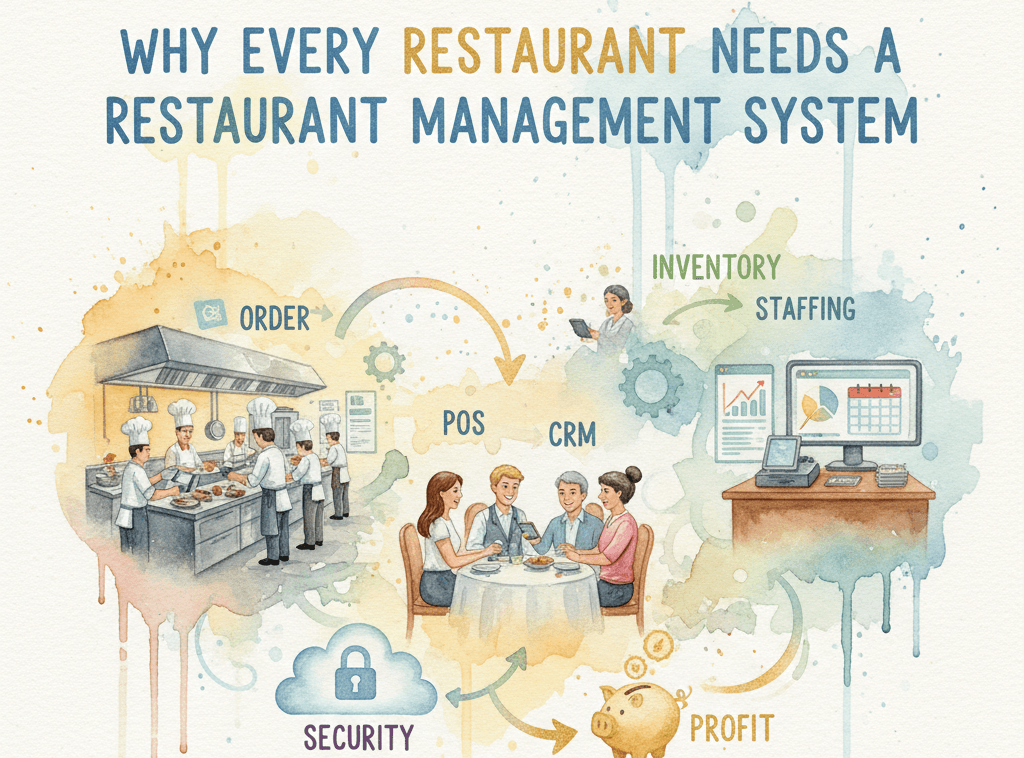
Why Every Restaurant Needs a Restaurant Management System
When your front and back of the house are not connected small issues can lead to waste and lost money. That is where a restaurant management system can help
Choosing the Right Supply Chain System: Why Food Market Hub is a Better Fit Than Zeemart
But FMH gives you something extra. FMH connects directly to your Point of Sale (POS) system.
Ready to run every outlet like one kitchen?
See how Food Market Hub connects your central kitchen to every outlet. Book a free, no-pressure demo with our team.