How ERP Systems Fail to Serve Restaurant Needs
According to a report by Software Advice, 49% of small to mid-sized businesses say that ERP systems are too complex for their needs.
When you're dealing with daily issues like inventory wastage, missing stock, or supplier delays, it’s natural to think a powerful backend system is the solution. Many restaurant owners in Malaysia believe that an enterprise resource planning (ERP) system is the best way to solve these problems.
The idea sounds good; you want something that gives you better control over your stock, helps you plan purchases, and makes things easier for your team. With so many moving parts in your kitchen and storeroom, it feels like only an ERP system can bring order to the chaos.
But is it the right fit? Let’s find out if an ERP system is right for you or not, and how ERP systems fail to serve your restaurant’s needs.
ERP Systems Are Made for General Businesses
Most ERP software is not built for the food and beverage industry. Instead, they are designed for general businesses, factories, warehouses, and large distributors. When you approach an ERP provider, their system isn’t ready-made for your kitchen, your supplier relationships, or your POS data.
You often have to explain the same thing again and again—why freshness matters, why supplier deliveries are inconsistent, or how menu changes affect your purchasing. That’s because these enterprise resource planning systems were never created with your daily challenges in mind.
As a result, what you get is not an out-of-the-box solution. It’s just a starting point that you have to keep modifying.
Customizing ERP Systems Is Time-Consuming and Expensive
To make the ERP software useful for your business, the provider has to customize it. This means weeks or even months of back-and-forth. You have to sit with consultants and walk them through every small detail—your ingredient categories, your supplier issues, your stock reporting format, and more.
Each change costs money. And that’s not just a small fee. In Malaysia, customizing ERP software can cost anywhere between RM 20,000 to RM 80,000, depending on the level of complexity. And even then, there’s no guarantee that the system will work exactly how you need it to.
If you change your menu or switch suppliers later, you may need to go back to the provider for another round of updates. This adds even more cost and more delay.
You End Up Paying for Features You’ll Never Use
Most ERP solutions are built for large manufacturing companies or logistics operations. That’s why they come with dozens of features—warehouse automation, machine maintenance tracking, HR payroll, asset depreciation, and much more.
But for your business, these features are useless.
They only make the system more complicated. Your team spends more time figuring out where things are and what buttons to press. Training staff becomes harder. Mistakes happen. What you need is a simple system that your team can understand and use every day.
According to a report by Software Advice, 49% of small to mid-sized businesses say that ERP systems are too complex for their needs. Many end up using just 20% of the available features.
Enterprise Resource Planning Systems Don’t Talk to Your POS
Here’s another big issue: most ERP software does not connect easily with your POS system. This means you have to manually export sales reports or stock data from your POS and upload them into the ERP. That takes time and increases the risk of mistakes.
Imagine you sell out of a popular dish, but your ERP doesn’t know because it hasn’t been updated with the latest sales data. You might reorder the wrong quantities, or worse, run out of key ingredients.
In Malaysia, the F&B industry moves fast. You need systems that talk to each other in real-time. You shouldn’t have to wait for end-of-day reports just to know what stock to reorder.
You Need a System Made for F&B, Not Manufacturing
What you need is not a general enterprise resource management solution. You need a system designed specifically for food and beverage businesses like yours. One that understands supplier delays, fluctuating ingredient prices, limited storage space, and fast-moving sales.
This system should not only help you manage stock but also connect with your POS and your accounting tools. When everything is connected, you don’t waste time switching between apps. You don’t have to enter the same numbers in multiple places. Everything—from daily sales to supplier invoices—is synced automatically.
You Deserve Simplicity, Not Complexity
When you choose an enterprise resource planning system, you're usually trying to bring order to your backend operations. But too often, what you get is complexity and cost. And instead of helping you grow, the ERP becomes just another thing you need to manage.
That’s why it’s time to rethink whether a traditional ERP solution is right for you.
You need something built with your daily challenges in mind. A system that knows how kitchens work. A system that grows with you, not against you. And one that doesn’t need expensive consultants just to function.
Frequently Asked Questions
If you want to simplify your backend and focus more on your food, your people, and your growth, you don’t need an enterprise resource planning system that was never designed for your kind of work, and this is where the Food Market Hub comes into play. Food Market Hub is specifically designed for F&B needs. You name your problem, and we have the solution ready for it. Contact us now to get a better solution to your specific problems.
Keep reading
SGeBIZ vs Food Market Hub- Which one is Better for your F&B Business
You already know how many small tasks add up in the kitchen: placing orders, checking stock, matching invoices, and keeping suppliers honest. Two platforms that promise to make this easier are SGeBIZ and Food Market H…
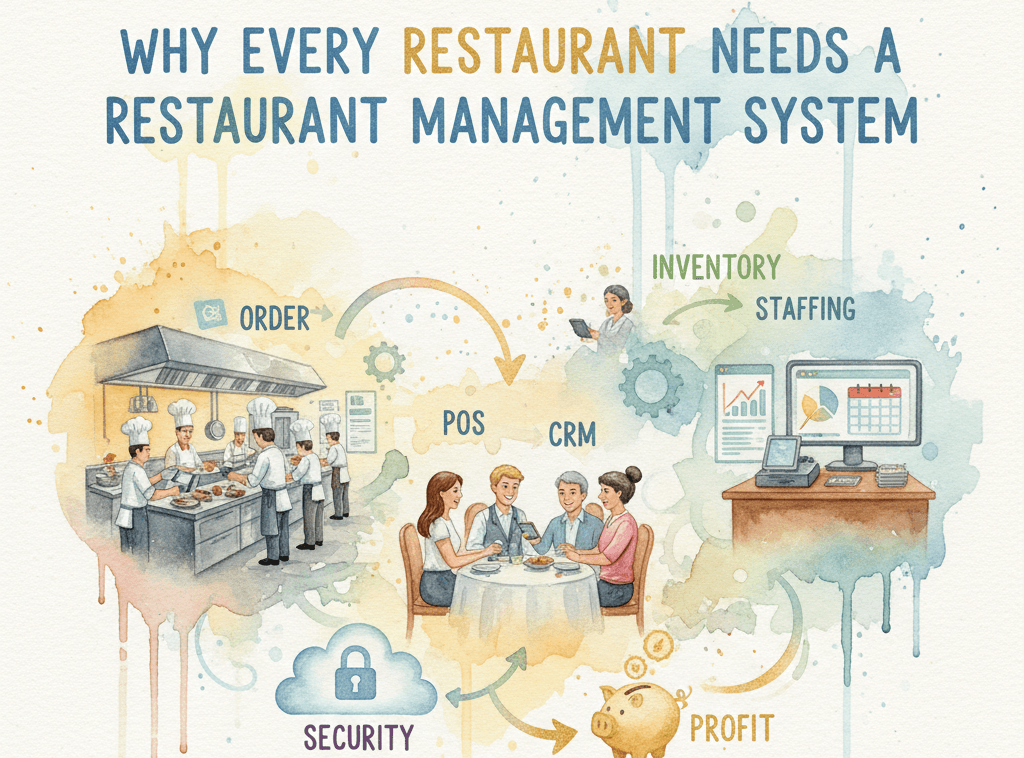
Why Every Restaurant Needs a Restaurant Management System
When your front and back of the house are not connected small issues can lead to waste and lost money. That is where a restaurant management system can help
Choosing the Right Supply Chain System: Why Food Market Hub is a Better Fit Than Zeemart
But FMH gives you something extra. FMH connects directly to your Point of Sale (POS) system.
Ready to run every outlet like one kitchen?
See how Food Market Hub connects your central kitchen to every outlet. Book a free, no-pressure demo with our team.